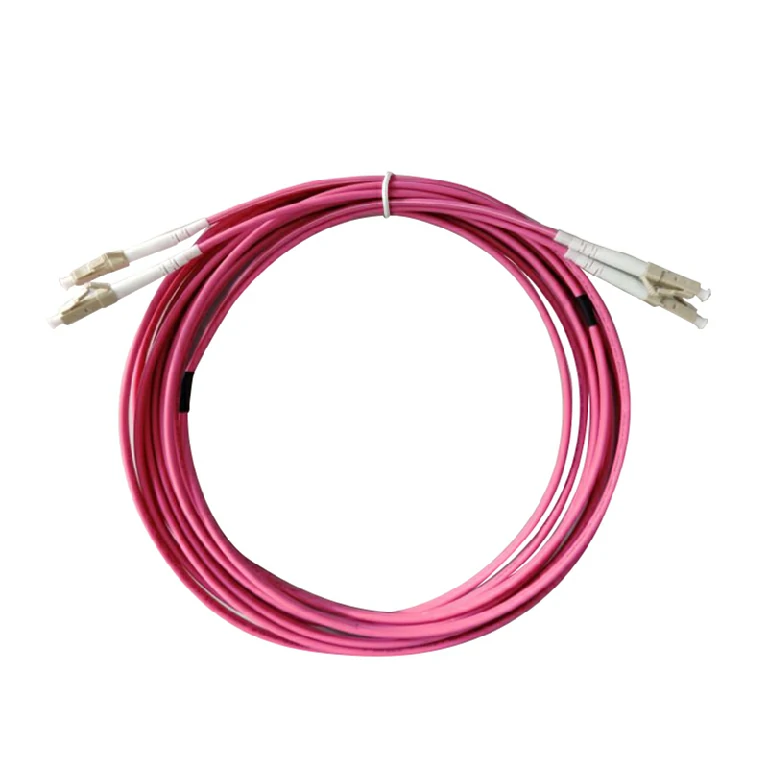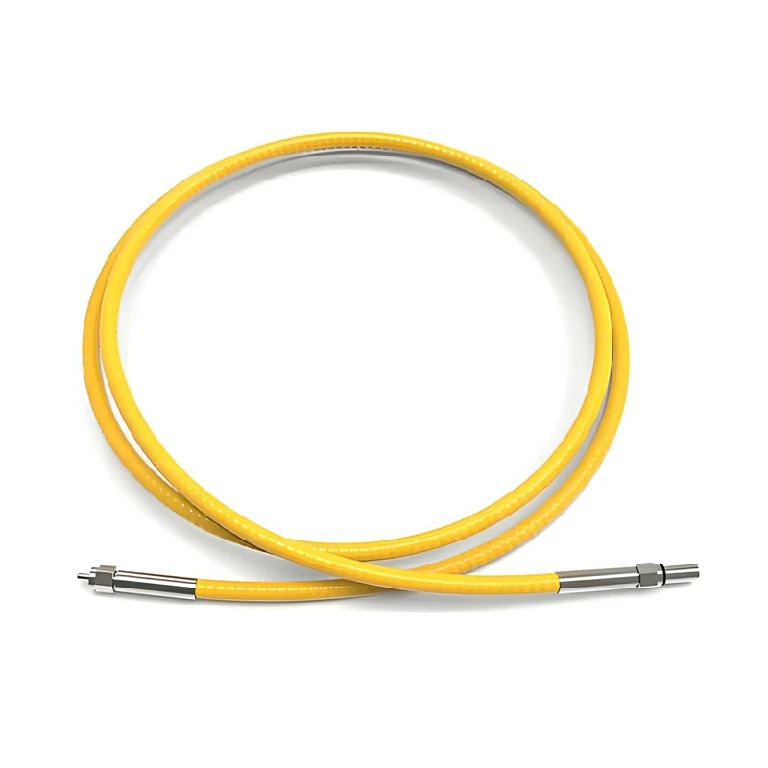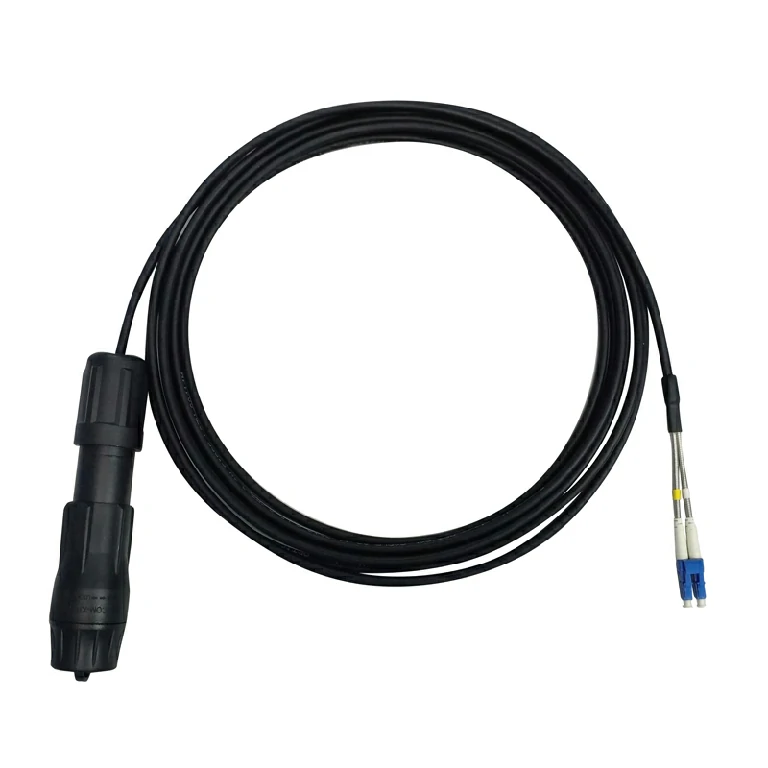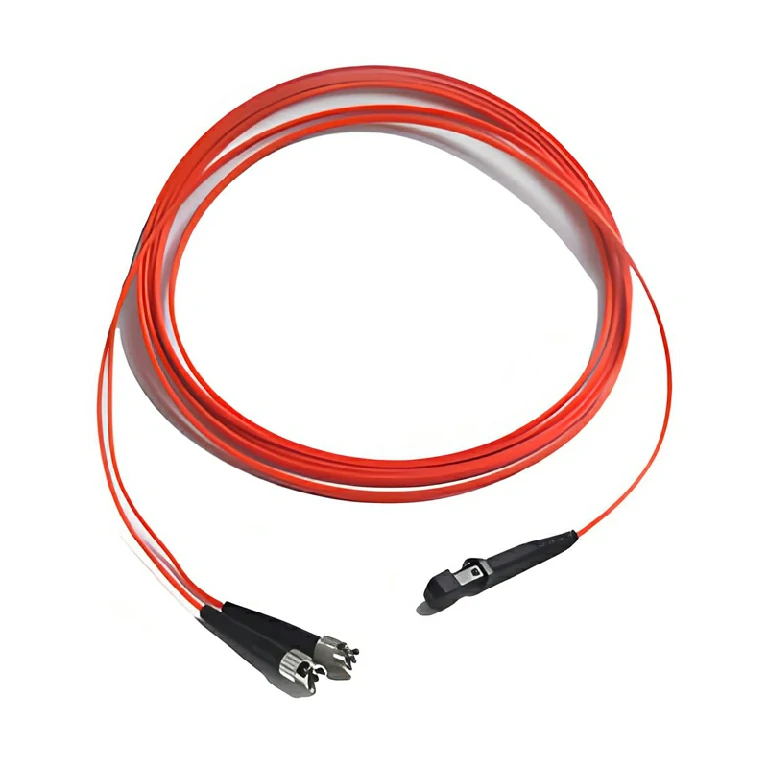
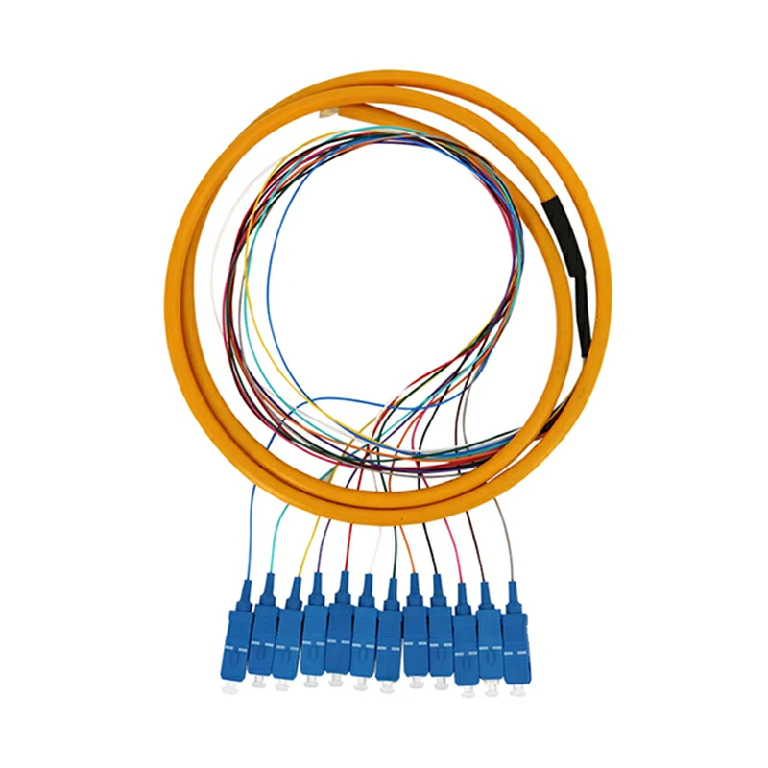
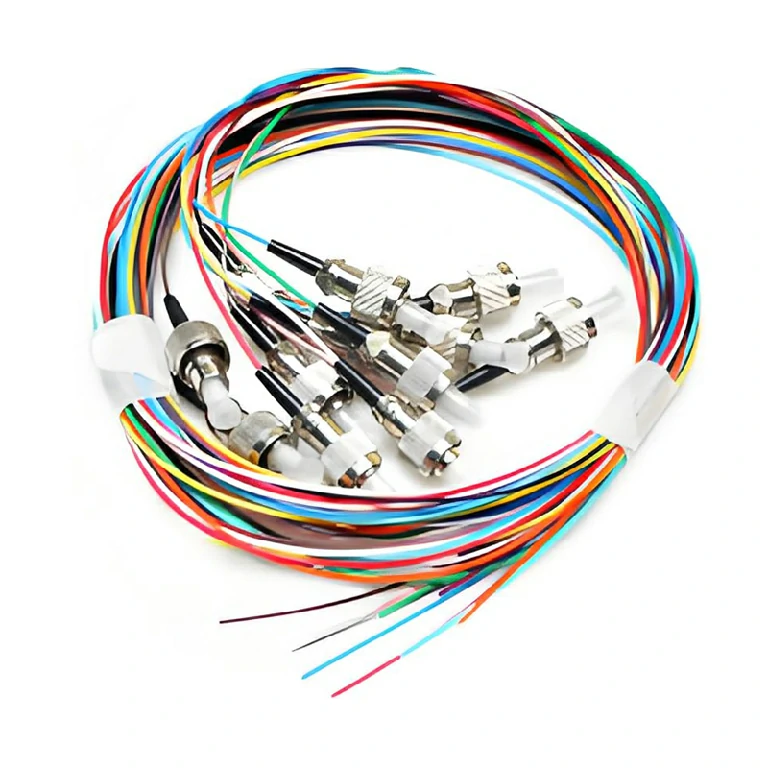
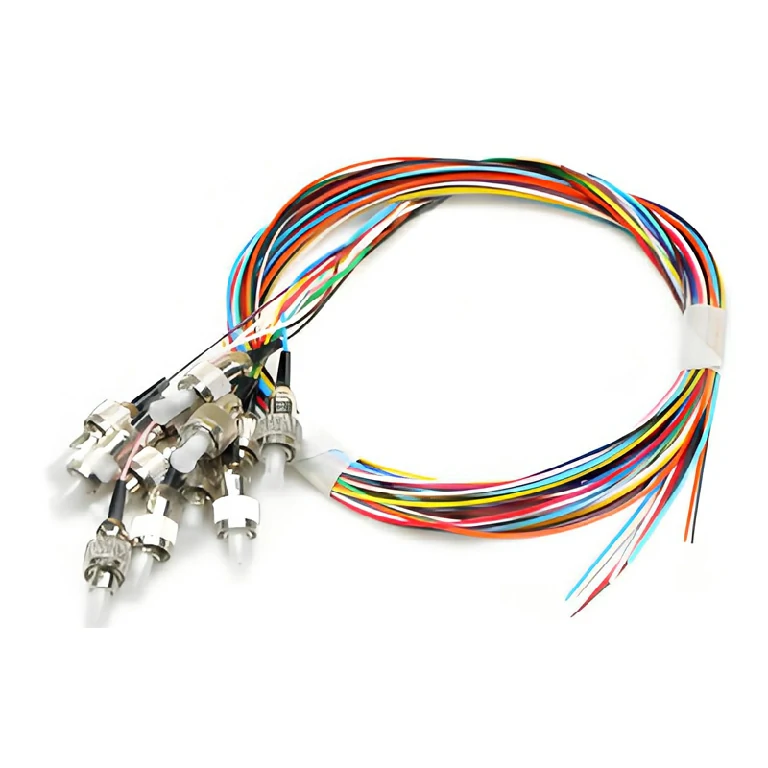
12-Core 0.9mm Series Fiber Optic Connectors
0.9 pigtail, also known as pigtail bundle, is divided into bundled and ribbon pigtails. It has a connector at only one end, and the other end is a broken end of an optical fiber, which is connected to other optical cable cores through fusion splicing. It often appears in optical cable termination boxes or is coiled in 12-core integrated trays for use in optical cable cross-connect cabinets; Used for connecting optical cables and terminal equipment. Pigtails are divided into multimode pigtails and single-mode pigtails. Multimode pigtails are orange, with a wavelength of 850nm and a transmission distance of 500m, used for short-distance interconnection. Single-mode pigtails are yellow, with two wavelengths: 1310nm and 1550nm, and transmission distances of 10km and 40km respectively. It consists of 12 pigtails, with colors in order: blue, orange, green, brown, gray, white, red, black, yellow, purple, pink, light blue.
Product Features
Sheath Material: PVC, LSZH
Standard length: 1.5 meters; Fan-out branch length: 0.5 meters
Compatible with connectors of different structures as per customer-specific requirements
Adopts ferrules with high concentricity, featuring good interoperability and consistency
Widely applicable
Technical Parameters
Insertion Loss: ≤ 0.2dB Return Loss: ≥ 60dB
Operating Temperature: -40℃~+80℃
Repeatability: ≤ 0.1dB
Interchangeability: ≤ 0.2dB
Plugging Cycles: >1000 times
Tensile Strength: 0~15Kg
Solutions
We provide professional optical fiber communication solutions tailored to different industries and application scenarios.
FTTN (Fiber to the Node)
The FTTN (Fiber to the Node) solution involves laying optical fibers to node cabinets several miles away from users, then transmitting network signals to user terminals via traditional copper cables. It is an ideal choice for meeting the broadband upgrade needs of urban areas or communities, and is suitable for access requirements in small and medium-sized regions.
Application
Urban and Peri-Urban Areas
Major Residential Areas and Communities
FTTC (Fiber to the Curb)
FTTB (Fiber to the Building)
FTTH (Fiber to the Home)
FTTP (Fiber to the Premises)
Adapts to Multi-user Needs
For large buildings, providing fiber access throughout the entire building
Highly Reliable
Provides stable high-speed internet connections, meeting high-demand commercial and residential usage
Highly Scalable
Supports future expansion and flexible service distribution
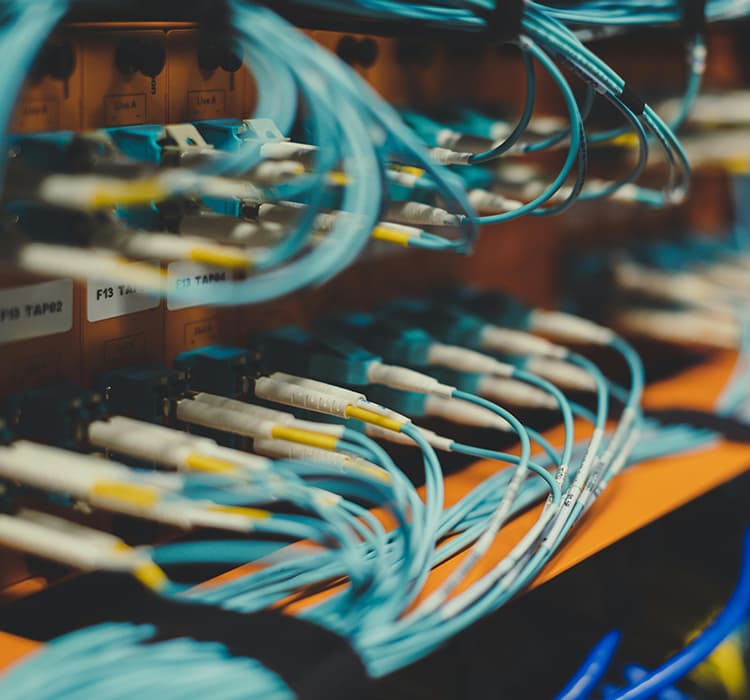
Ultimate Access Speed
Fiber reaches the curb, closer to users, providing higher bandwidth and lower latency
Flexible Deployment
Adapts to flexible cabling needs in urban and densely populated areas
High Bandwidth Guarantee
Through fiber network connections, meeting high-bandwidth application needs such as HD video and cloud computing
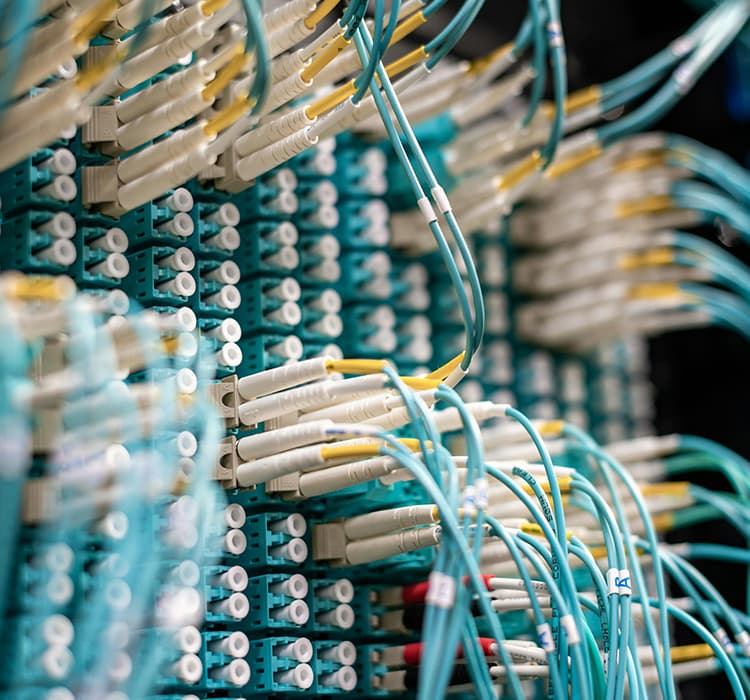
Meet Diverse User Needs
Tailor full-building fiber access solutions for large-scale constructions
High Reliability
Deliver stable, high-speed internet connectivity to meet the demands of high-performance commercial and residential use.
Strong Scalability
Support future expansion and flexible service allocation
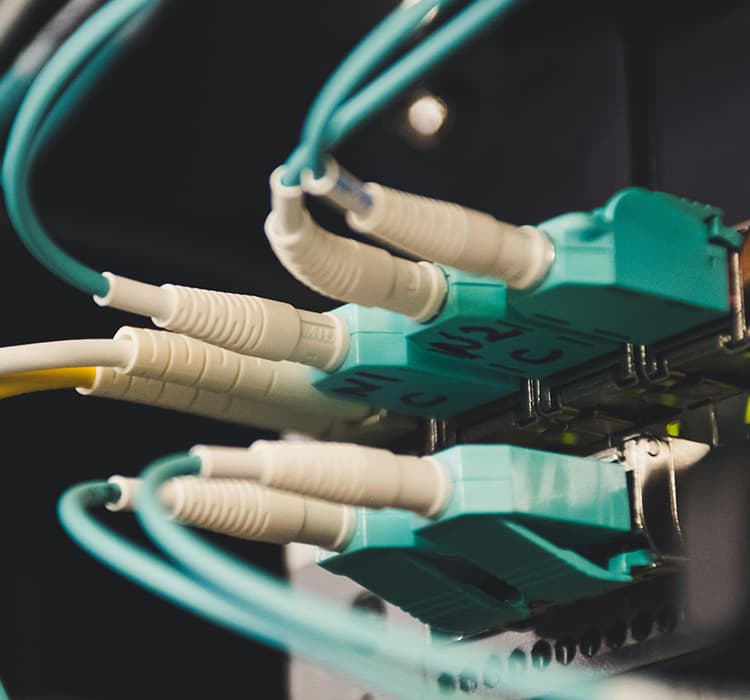
Ultra-high-speed Internet
Direct access to fiber networks, achieving gigabit-level bandwidth, supporting bandwidth-intensive applications such as HD, 4K video, VR/AR
High Stability
No electromagnetic interference, fiber connections ensure communication stability
Future Scalability
As demand grows, fiber networks can seamlessly expand to meet increasing bandwidth needs
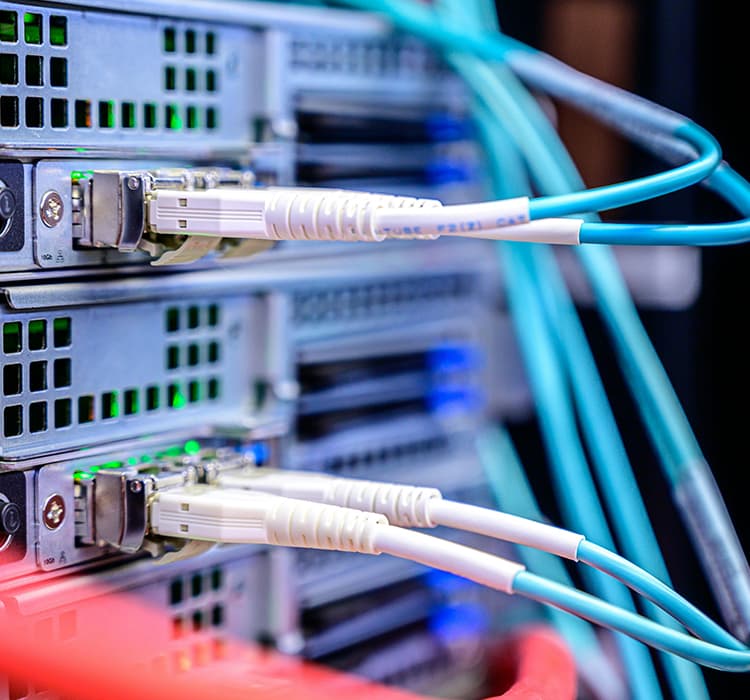
Wide Coverage
Integrating FTTH and FTTB solutions to meet the needs of various customers including homes and enterprises
High Bandwidth Guarantee
Provides excellent network experience, supporting cloud applications, high-volume video transmission, etc.
One-stop Service
Comprehensively considers user scenarios, provides flexible fiber deployment solutions, ensuring seamless connectivity